

DATA CENTRE HARDENING

Conventional security design was not built for this threat.
THE THREAT
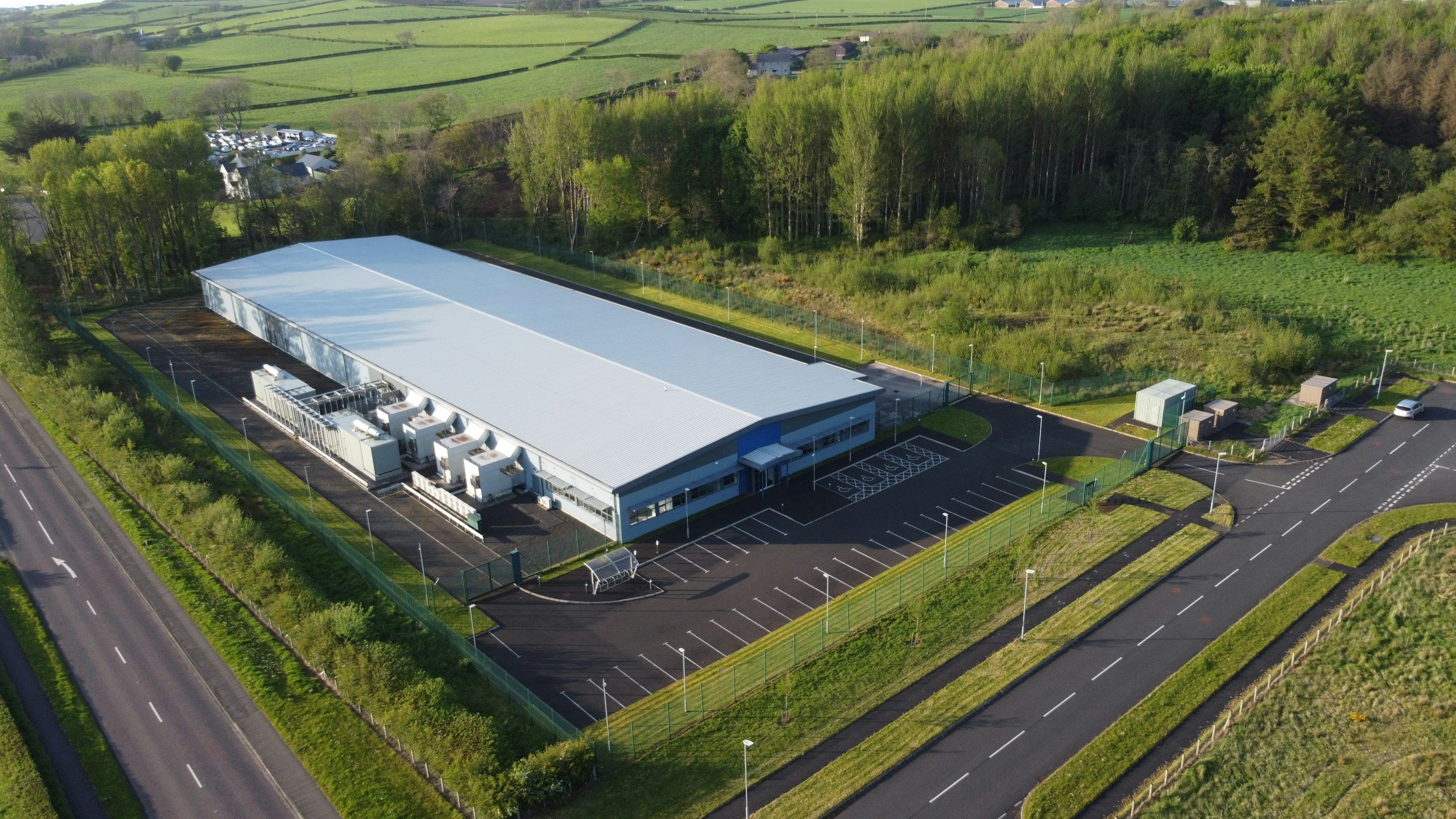
Hyperscale and campus-style data centres face a growing risk from low-cost, deliberate attacks targeting exposed infrastructure — power systems, cooling plant and access points. Unmanned systems and stand-off methods allow adversaries to cause significant disruption without breaching the perimeter.
Conventional security design was not built for this threat. Polestar Advisory provides the specialist assessment and hardening expertise to close that gap.
OUR APPROACH
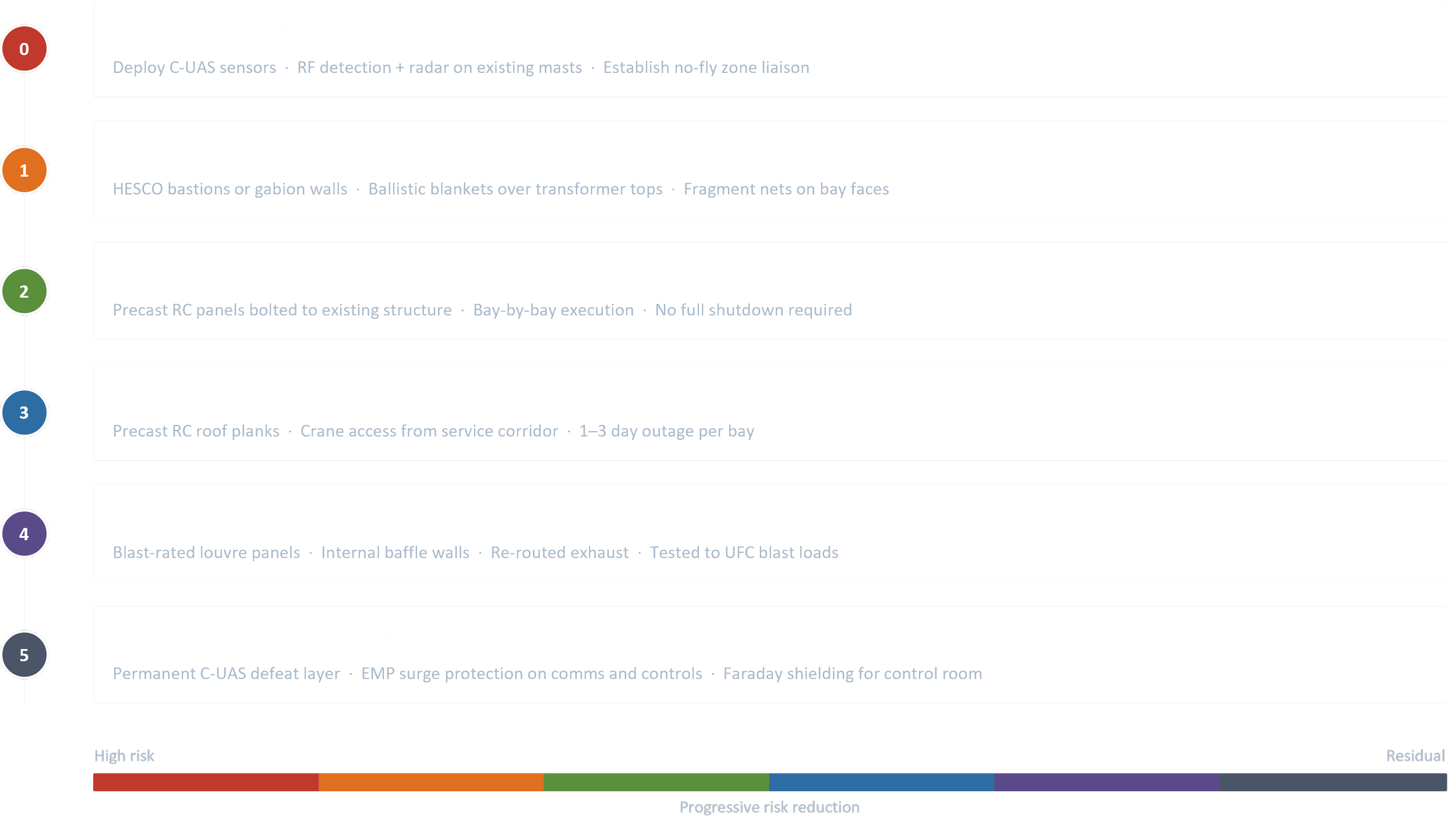
A structured, phased hardening approach focused on reducing exposure of critical infrastructure while facilities remain live.
Measures are prioritised against real threat pathways, not theoretical worst cases, and implemented progressively so that protection strengthens without operational disruption. Immediate risk reduction actions run alongside longer-term structural improvements — every measure is proportionate, practical, and aligned to how the site operates in real life.

ROADMAP
WHAT WE DELIVER
Polestar Advisory works with operators of hyperscale and campus-style data centre facilities. Our engagement is site-specific — we assess your facility, your threat environment, and your operational constraints before recommending any measures.
Site-specific threat and vulnerability assessment with zero operational disruption
Tailored, prioritised hardening roadmap with clear phasing and cost-benefit analysis
Expert guidance on practical retrofits using existing structures and systems
Optional implementation oversight, contractor coordination and minimal-outage planning
Ongoing advisory support including periodic EMP and C-UAS threat reviews as the threat evolves